FREE RETURN / ALL PHOTOS
Artemis II · April 1–10, 2026
All Artemis II Photos on the Path, Chapter by Chapter
51 Artemis II crew photographs from launch to splashdown — Hello, World, the far side, Earthset and the eclipse — each with its time, camera and distance from Earth and the Moon. NASA has catalogued 9,729 frames from the mission; these are the ones on the path. Open any photo for its page, or watch them appear in 3D where they were taken.
High Earth orbit
A day looping around Earth to check out Orion: life support, navigation, manual flying.
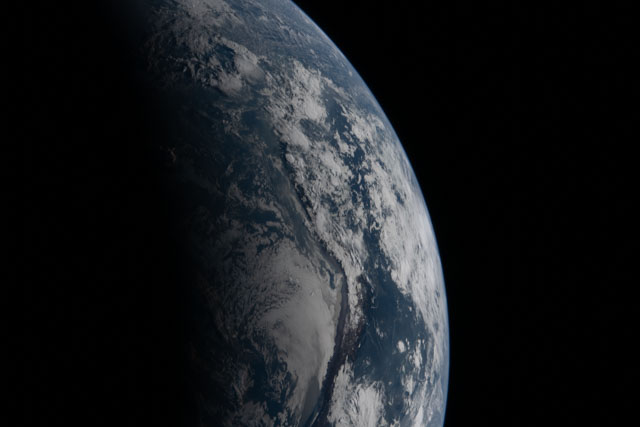 ART002-E-23300
Earth from high orbit, 70,098 km up
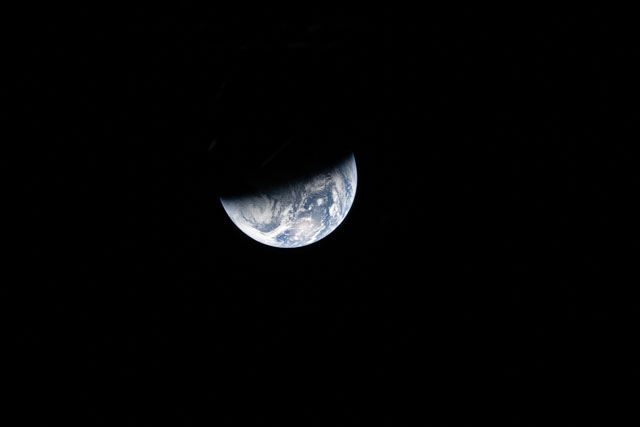 ART002-E-25333
Earth from high orbit, 52,332 km up
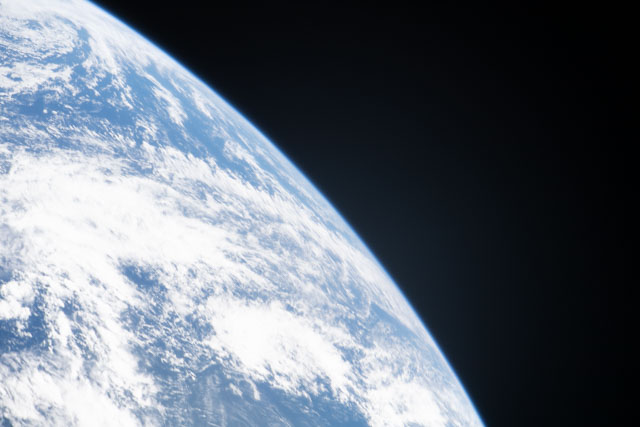 ART002-E-23568
Earth from high orbit, 35,420 km up
Hello, world
The translunar burn. Earth falls away in the window — the first time humans have seen it whole since Apollo 17.
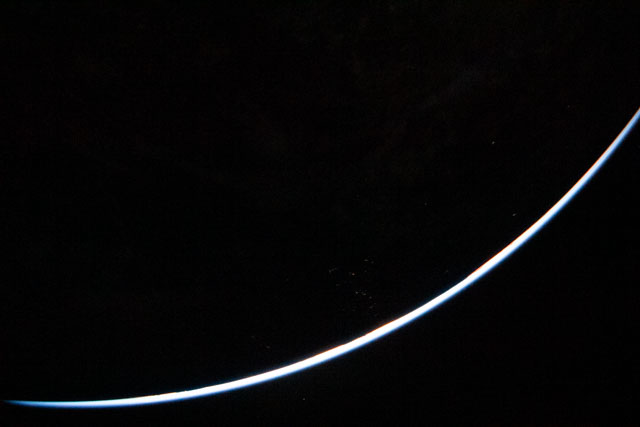 ART002-E-23705
A sliver of sunlit Earth, minutes after the burn that sent Orion to the Moon
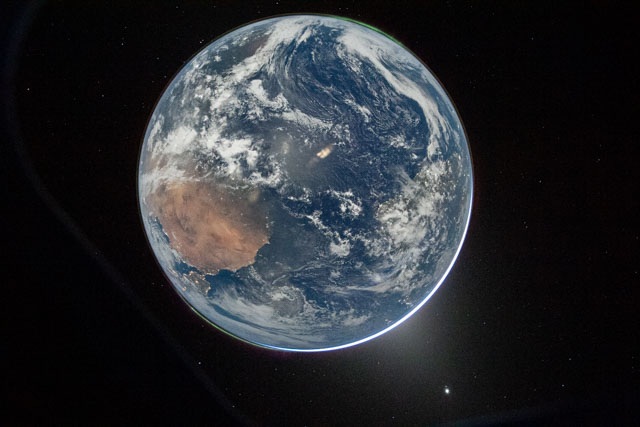 ART002-E-192
Hello, world.” Earth upside-down: northern Africa, Spain, the Atlantic and two green auroras
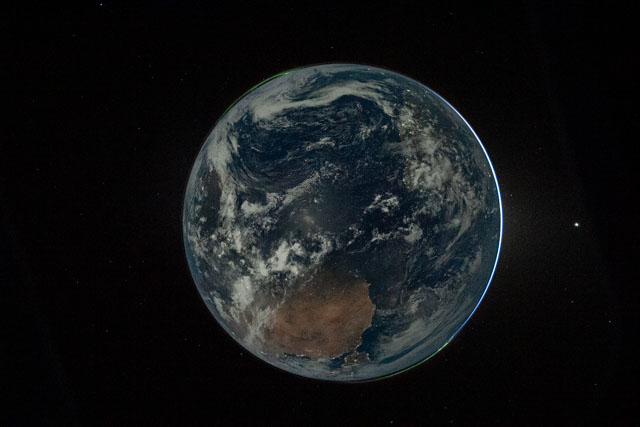 ART002-E-8484
Earth falling away after the translunar burn, 18,097 km out
The long coast
Three days coasting outbound. Earth shrinks to a crescent; the Moon grows ahead.
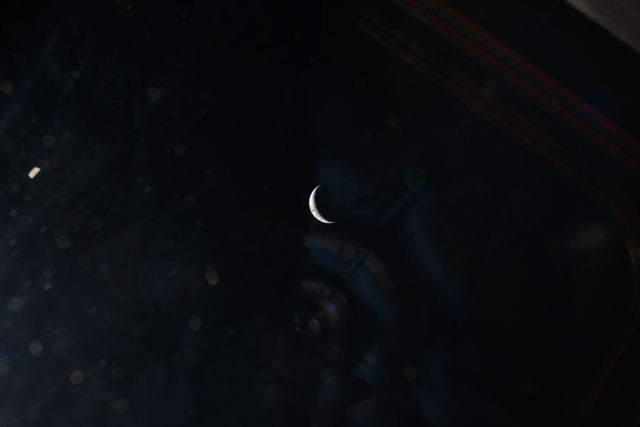 ART002-E-27727
Earth from 203,438 km, on the way to the Moon
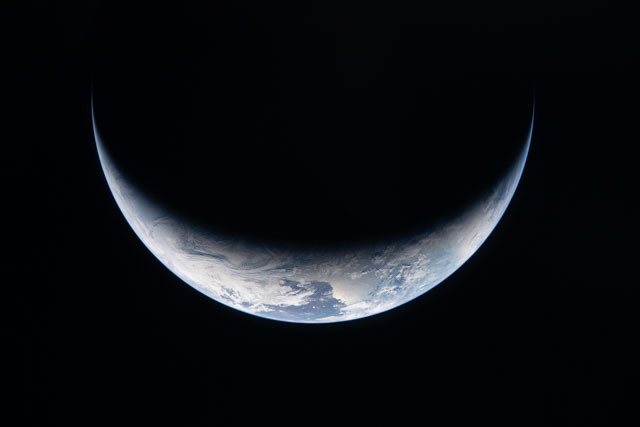 ART002-E-9160
Earth from 203,786 km, on the way to the Moon
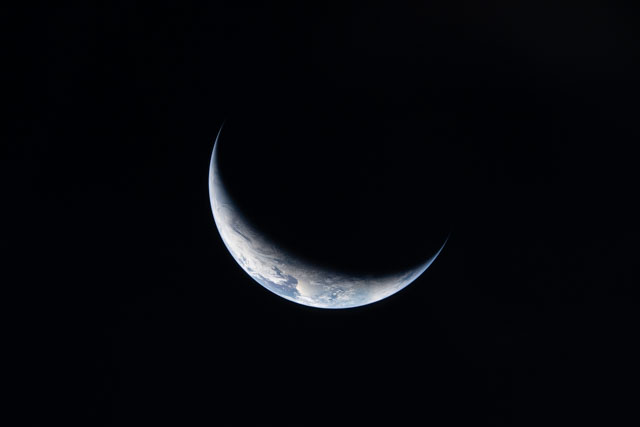 ART002-E-23820
Earth from 204,073 km, on the way to the Moon
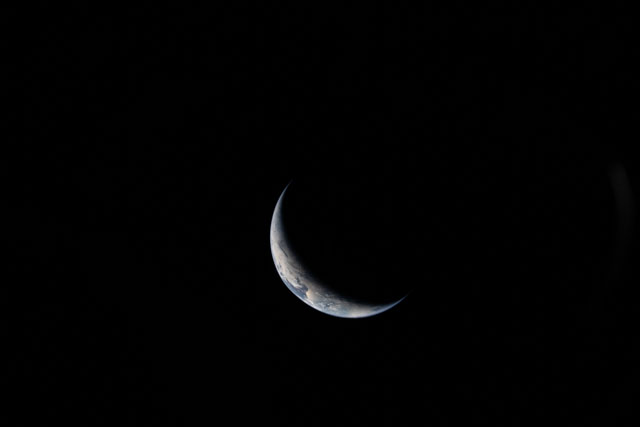 ART002-E-4437
Crescent Earth, a day into the coast toward the Moon
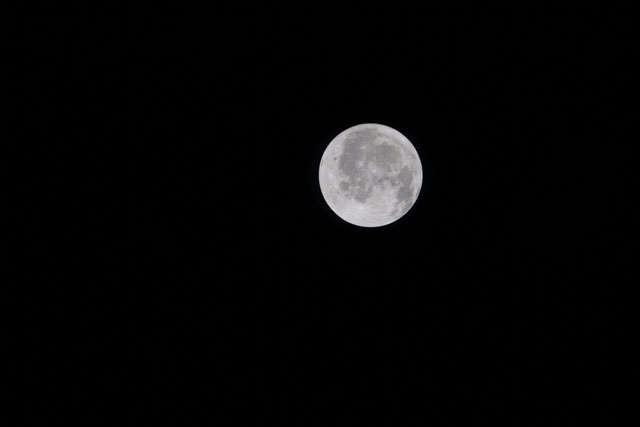 ART002-E-9168
The Moon, still 236,000 km ahead
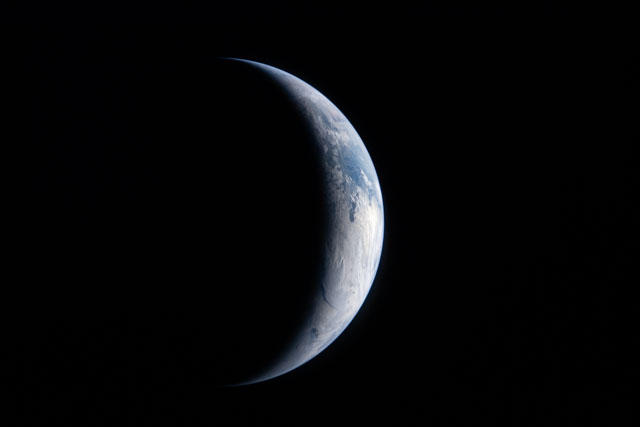 ART002-E-23776
Earth from 226,372 km, on the way to the Moon
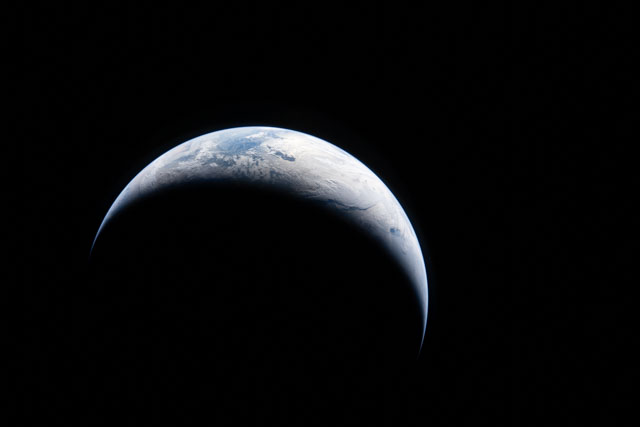 ART002-E-23891
Earth from 227,460 km, on the way to the Moon
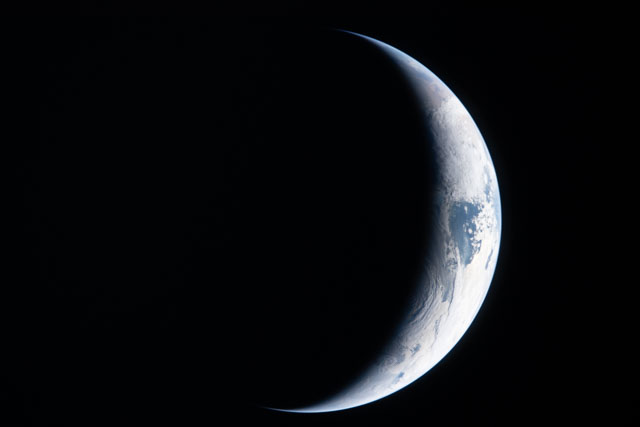 ART002-E-4474
Earth from 233,431 km, on the way to the Moon
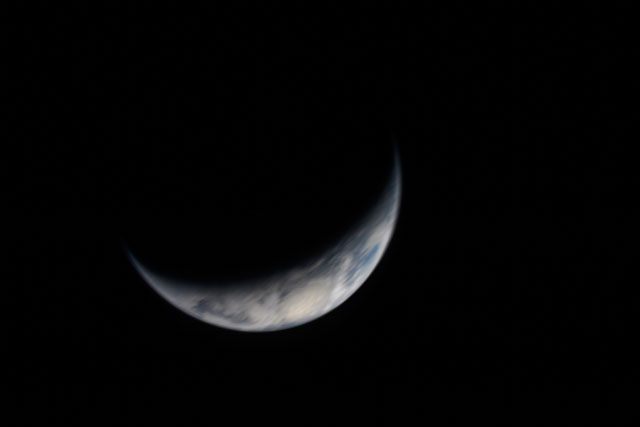 ART002-E-29826
The Moon ahead, 149,708 km away
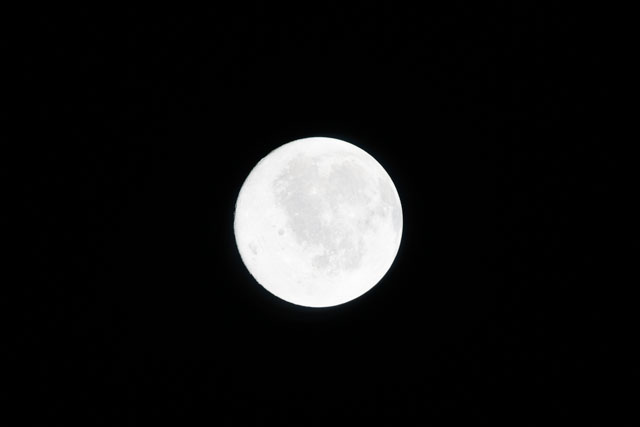 ART002-E-29950
The Moon ahead, 141,864 km away
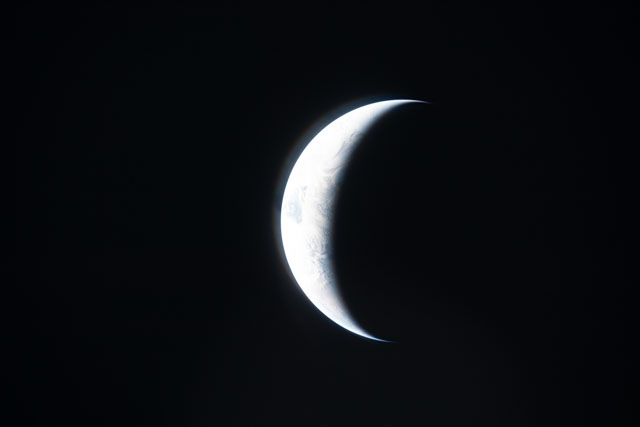 ART002-E-23977
The Moon ahead, 134,191 km away
Lunar approach
The Moon fills the windows. The crew begins seven hours of lunar photography.
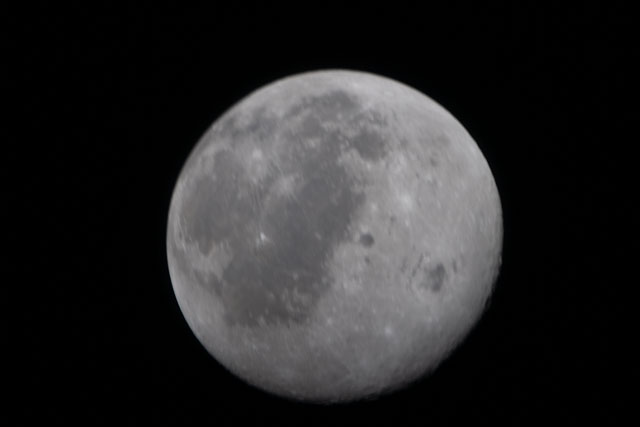 ART002-E-24168
Day five. The Moon grows in the window, 72,500 km away
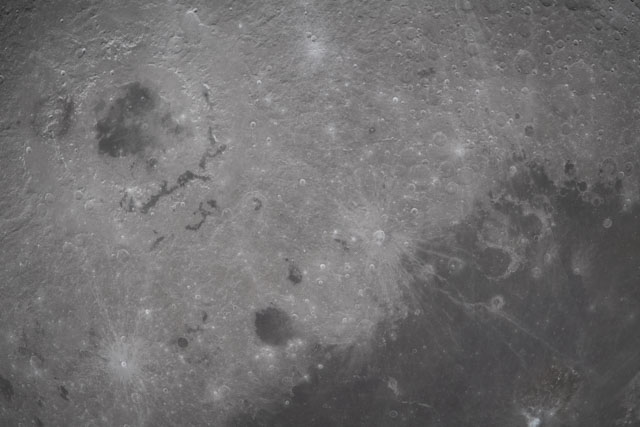 ART002-E-25968
The Moon on approach, 24,859 km away
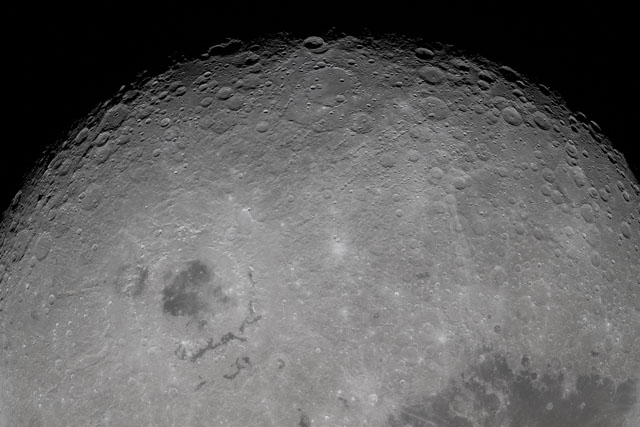 ART002-E-29568
The Moon on approach, 24,467 km away
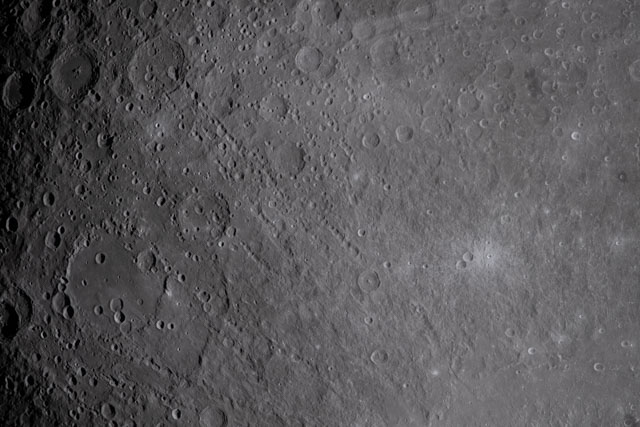 ART002-E-12168
The Moon on approach, 15,661 km away
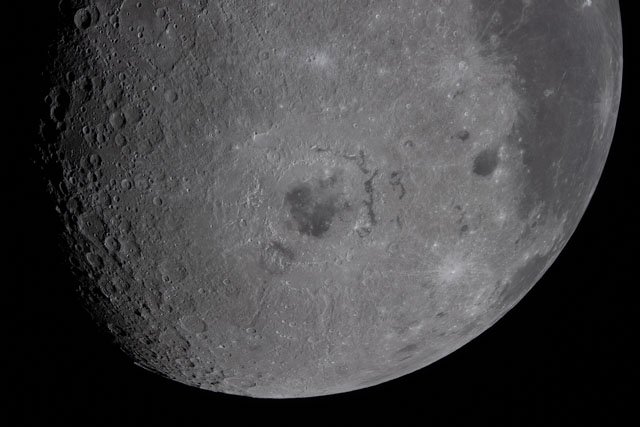 ART002-E-9768
The Moon on approach, 14,270 km away
The far side
Ground no human eye had seen directly in 53 years: Orientale, Hertzsprung, Vavilov.
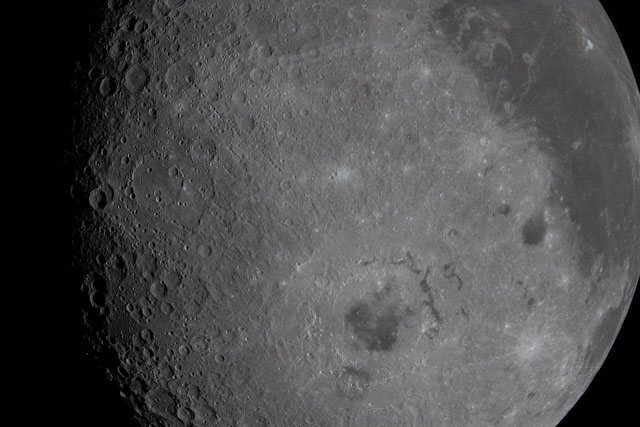 ART002-E-9851
Near Orientale basin: craters the crew proposed naming Integrity and Carroll
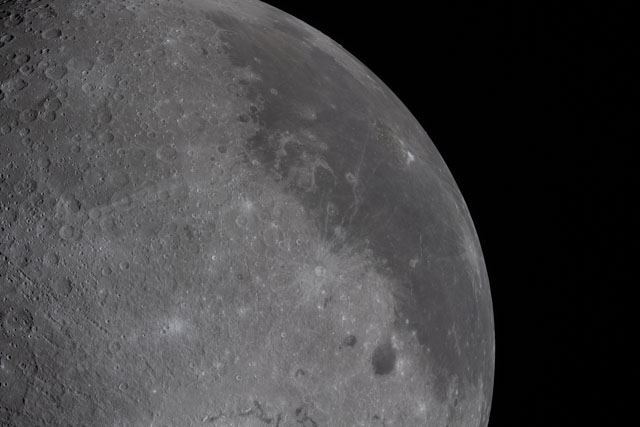 ART002-E-10000
The far side of the Moon from 13,666 km
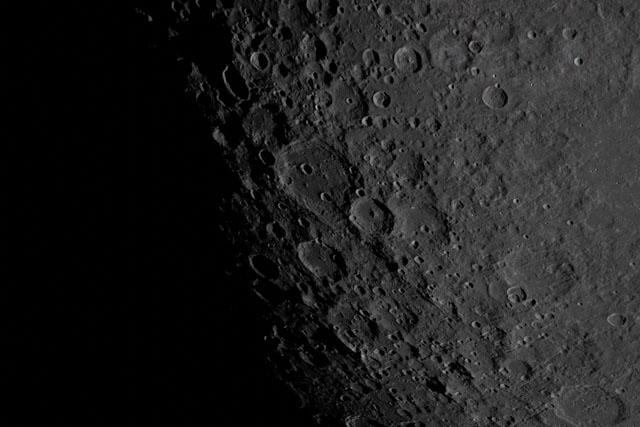 ART002-E-19968
The far side of the Moon from 12,371 km
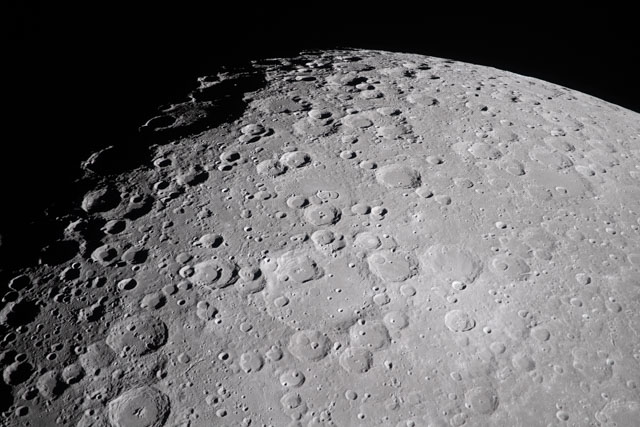 ART002-E-20000
The far side of the Moon from 12,303 km
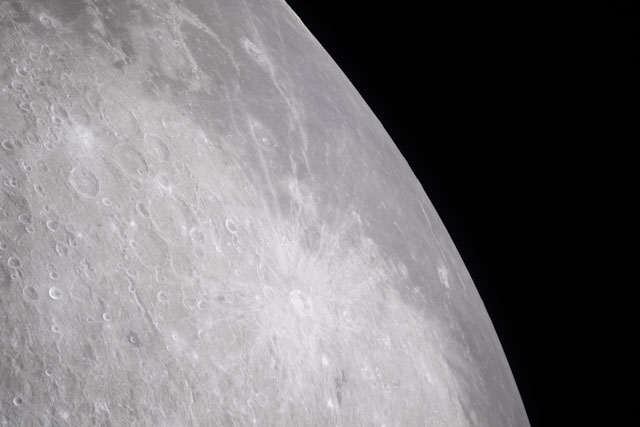 ART002-E-24768
The lunar far side near Hertzsprung, from 9,453 km
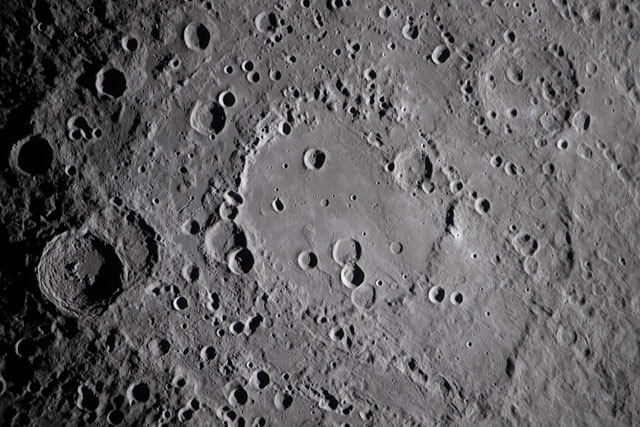 ART002-E-10247
Vavilov crater on the rim of the Hertzsprung basin, lunar far side
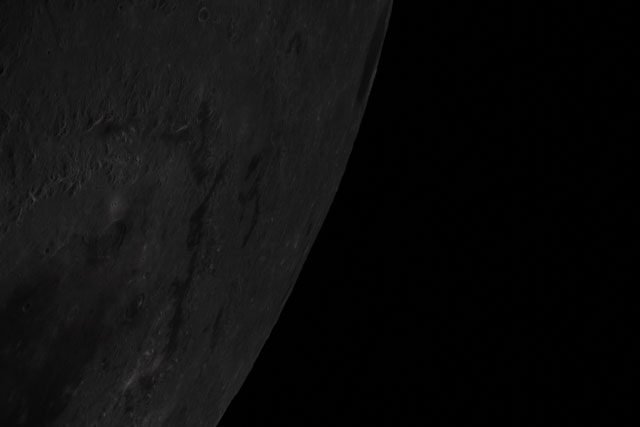 ART002-E-10368
The lunar far side near Vavilov, from 7,901 km
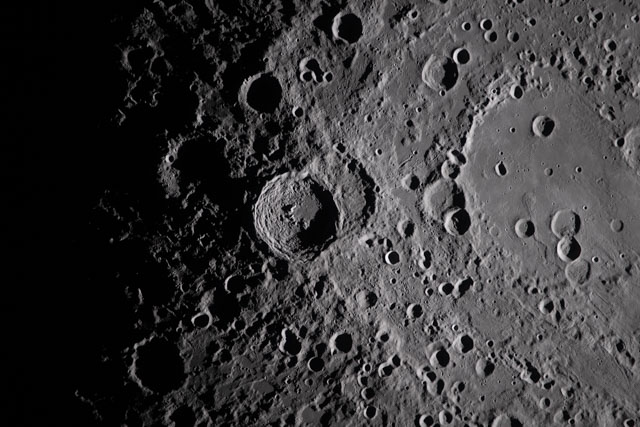 ART002-E-9282
The lunar far side near Vavilov, from 7,867 km
Earthset
Behind the Moon, out of contact with home, they watch Earth slip below the lunar horizon.
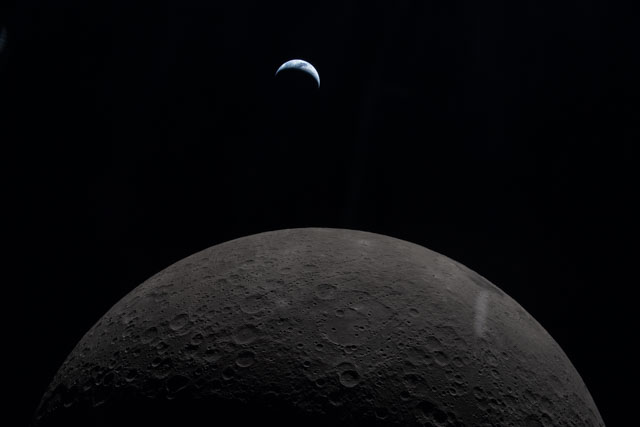 ART002-E-19190
Earthset at 22:30 UTC: Earth sinking behind the Moon
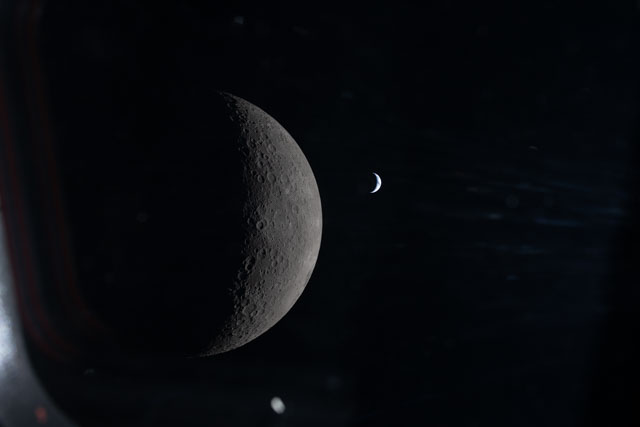 ART002-E-15225
Earthset at 22:33 UTC: Earth sinking behind the Moon
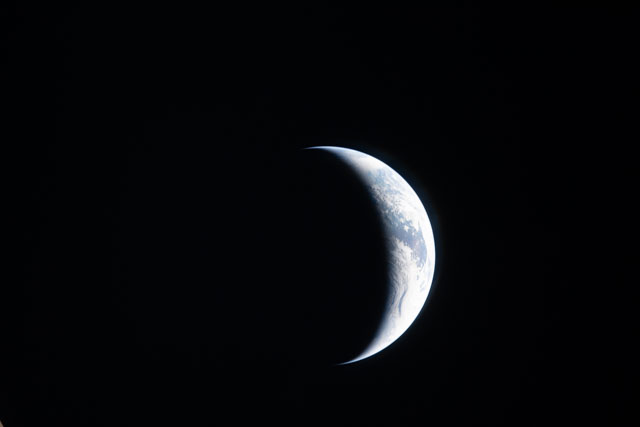 ART002-E-20950
Earthset at 22:36 UTC: Earth sinking behind the Moon
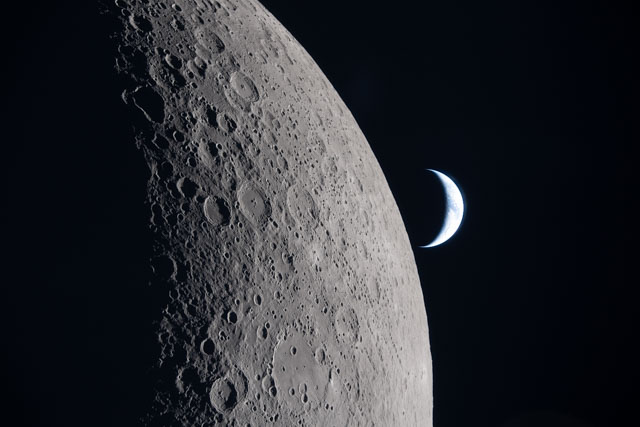 ART002-E-21106
Role reversal: a crescent Earth hangs beyond the Moon
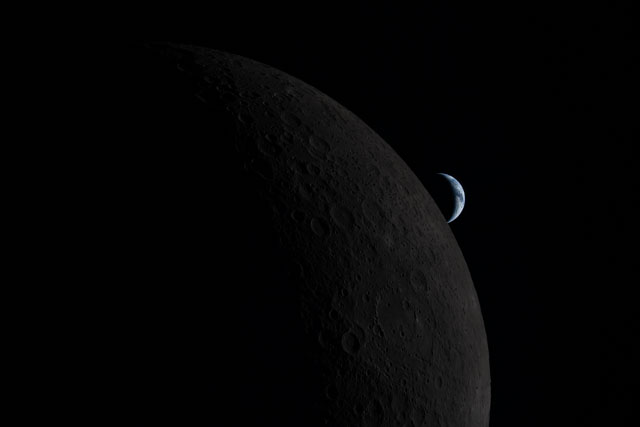 ART002-E-21168
Earthset at 22:41 UTC: Earth sinking behind the Moon
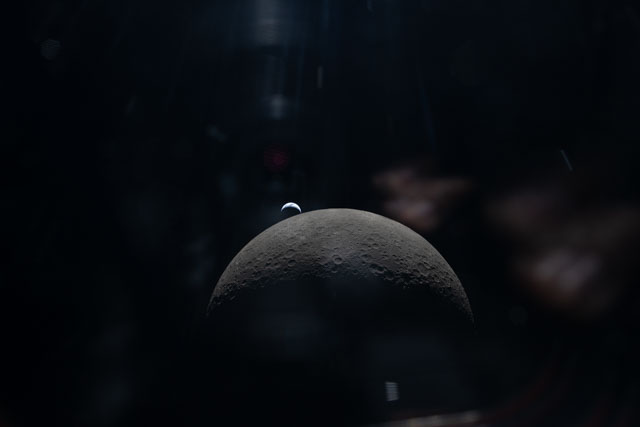 ART002-E-16067
Earthset at 22:41 UTC: Earth sinking behind the Moon
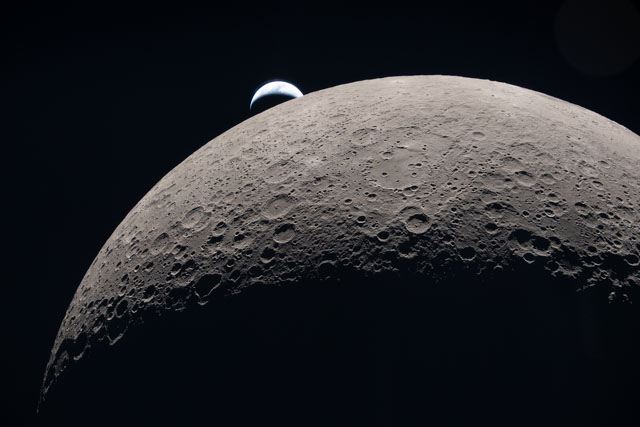 ART002-E-21208
Earthset — Earth dropping behind the lunar horizon
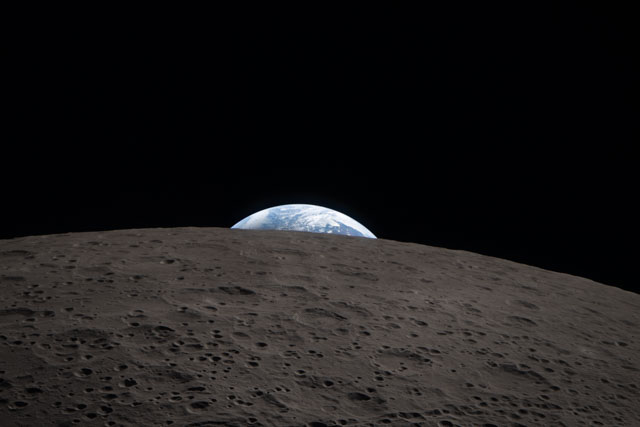 ART002-E-21278
A breathtaking Earthset from Orion
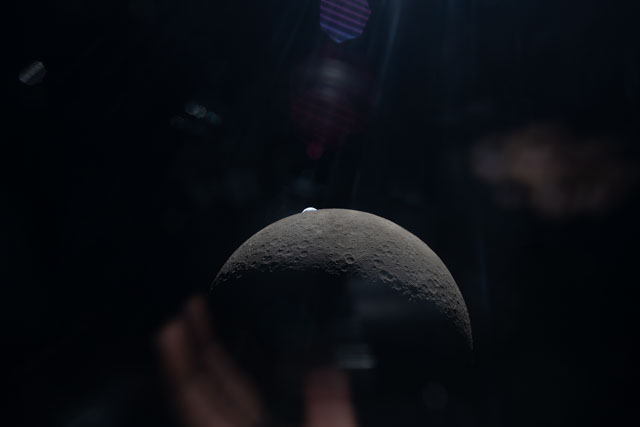 ART002-E-16127
Earthset at 22:43 UTC: Earth sinking behind the Moon
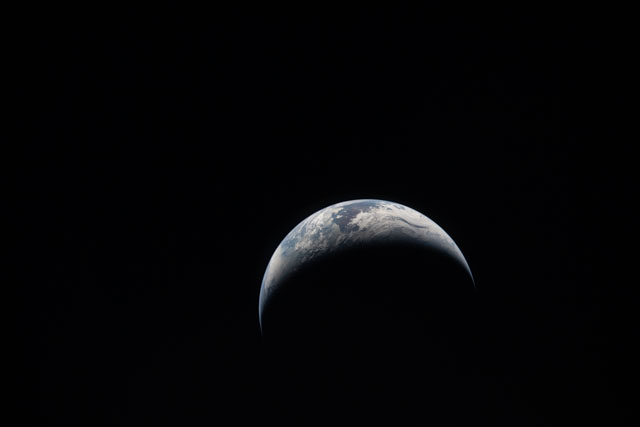 ART002-E-14066
Earth’s crescent from behind the Moon
Eclipse
The Sun disappears behind the Moon. The corona blooms around a black disk.
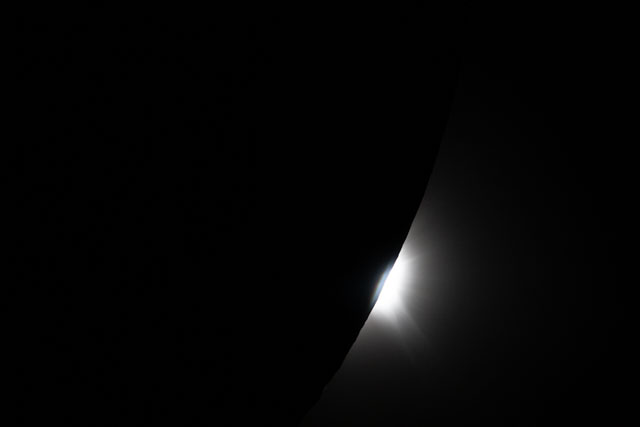 ART002-E-10574
The solar eclipse from Orion at 00:34 UTC
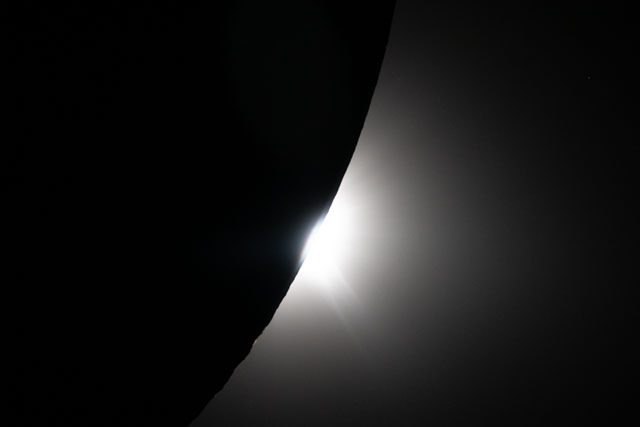 ART002-E-9297
The solar eclipse from Orion at 00:34 UTC
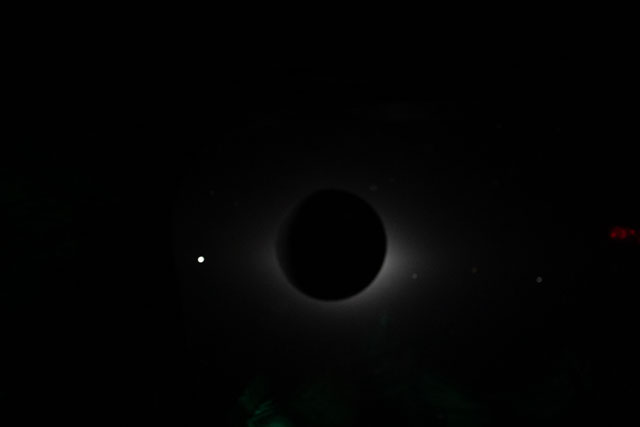 ART002-E-14293
The solar eclipse from Orion at 00:55 UTC
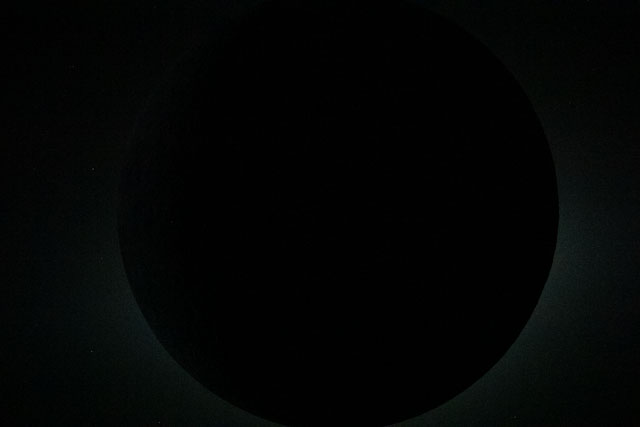 ART002-E-11568
The solar eclipse from Orion at 01:00 UTC
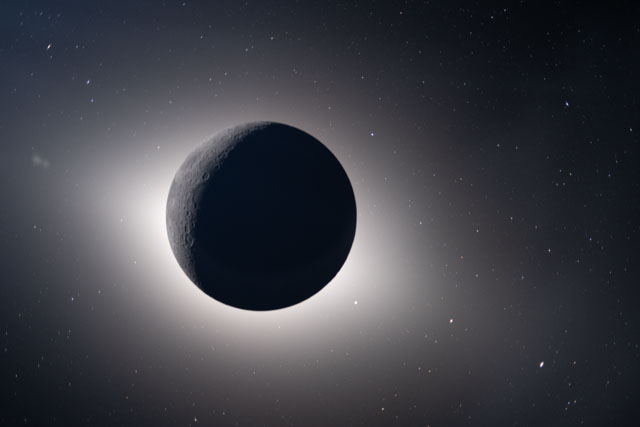 ART002-E-9300
Total solar eclipse: the Moon blocks the Sun from Orion’s viewpoint
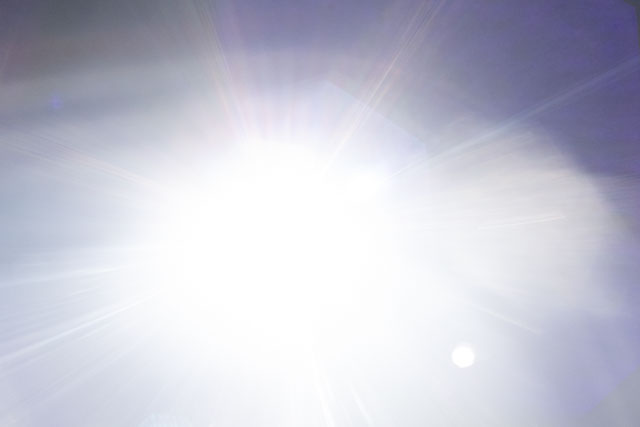 ART002-E-16066
Sunlight bursts back around the lunar limb
Homeward
The free return. Lunar gravity bends the path back toward a growing blue Earth.
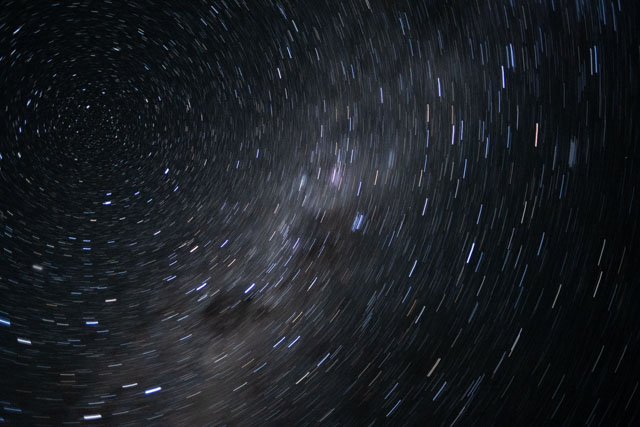 ART002-E-29783
Starry night” — star trails and the Milky Way on the way home
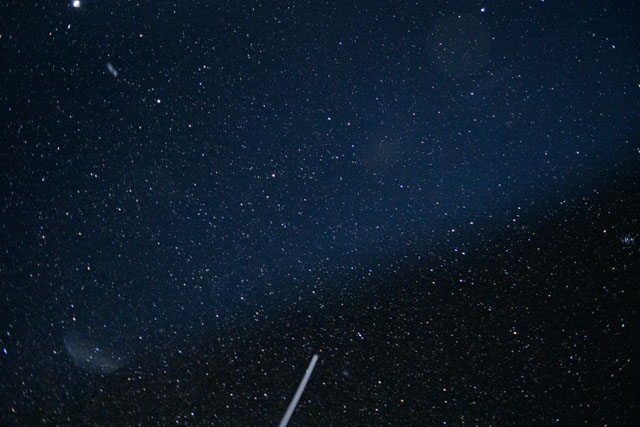 ART002-E-27800
Looking back at the Moon, 139,388 km behind
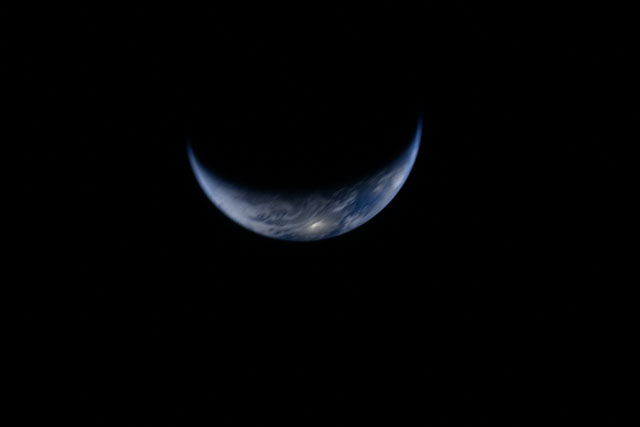 ART002-E-27854
Looking back at the Moon, 171,501 km behind
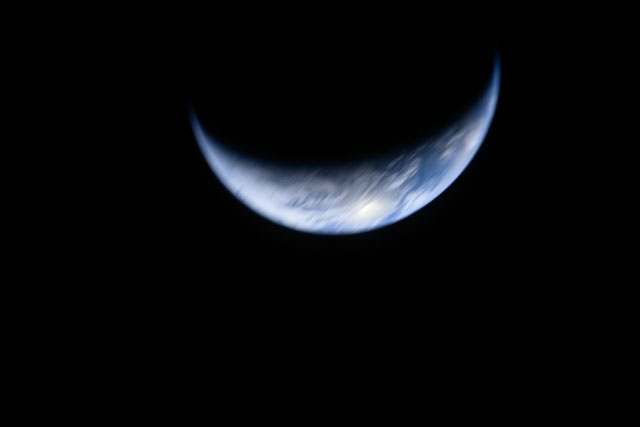 ART002-E-27866
Looking back at the Moon, 171,573 km behind
 ART002-E-25253
Looking back at the Moon, 173,215 km behind